
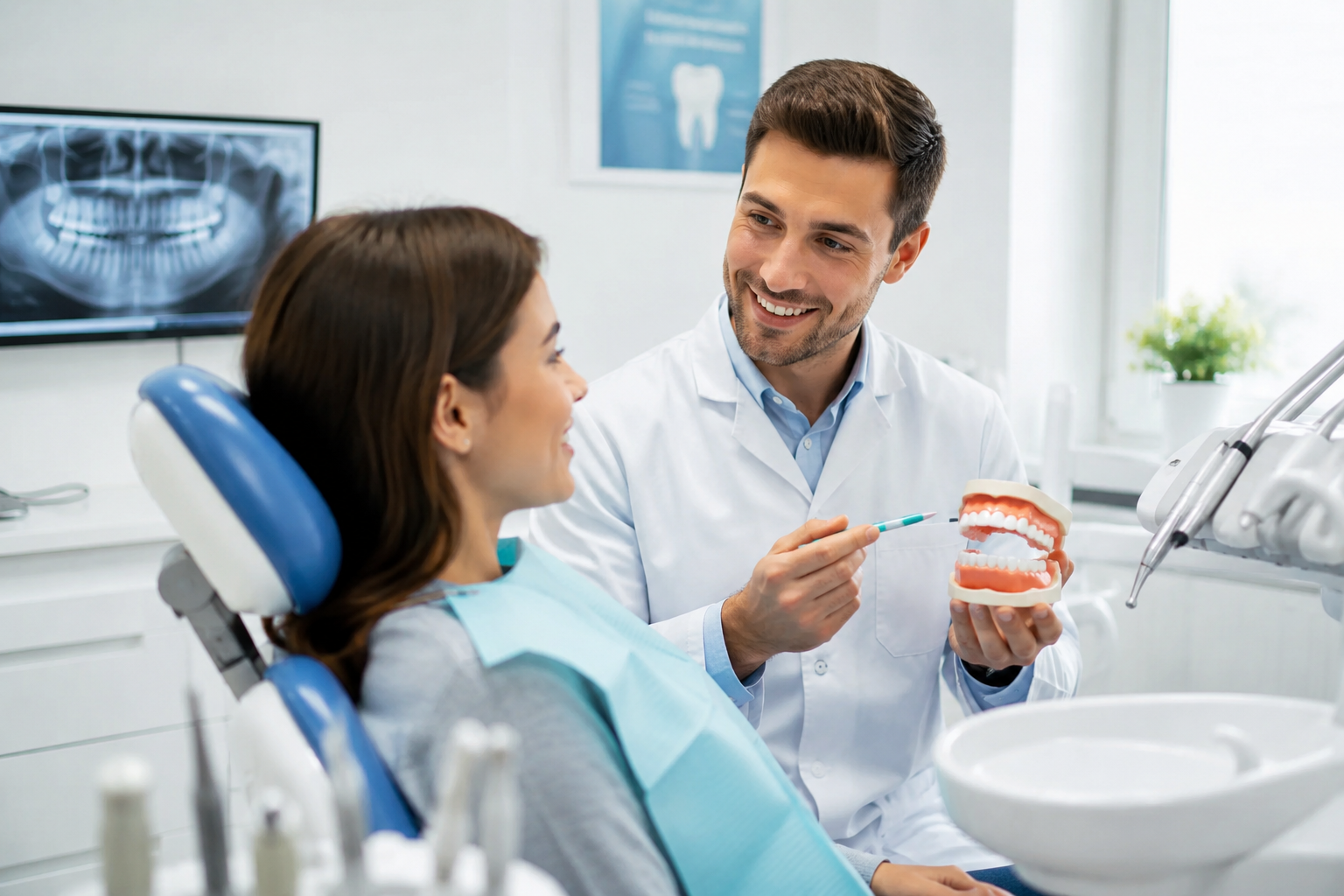
When a toothache, broken tooth, or sudden mouth injury happens, you need clear next steps and care you can reach quickly. If you’re in Gaithersburg and face a dental emergency, local clinics offer same-day visits, pain relief, and treatments to stop damage and preserve your smile.
This article explains what counts as a dental emergency, the urgent services Gaithersburg practices provide, and how modern approaches speed relief and recovery. It also covers simple preparation tips, what to expect during a visit, and how to choose a dentist so you feel confident if an emergency occurs.
Understanding Dental Emergencies
Dental emergencies involve injuries or conditions that threaten teeth, gums, or oral function and require prompt care to prevent lasting damage. Quick identification, pain control, and access to emergency dental services in Gaithersburg, MD, often determine whether a tooth can be saved.
What Qualifies as a Dental Emergency
A dental emergency includes any oral problem causing severe pain, uncontrollable bleeding, swelling that affects breathing or swallowing, or trauma that dislodges or fractures teeth. Examples: a fully knocked-out tooth (avulsed), a tooth split vertically exposing the nerve, severe abscess with spreading swelling, or persistent bleeding after extraction that won’t stop with gentle pressure.
Non-emergency issues include minor chips without pain, loose fillings, or cosmetic concerns that can wait for a scheduled visit. Immediate care focuses on alleviating pain, preventing infection, and stabilizing tissue or teeth. In Gaithersburg, emergency dentists provide same-day assessments, temporary restorations, antibiotics when indicated, and referrals for oral surgery when needed.
When to Seek Immediate Dental Care
Seek immediate care when pain is severe (rating 7–10), bleeding won’t stop after 10–20 minutes of firm pressure, or swelling impairs breathing or swallowing. Also go to an emergency dentist if a tooth is completely knocked out; time matters — store the tooth in milk or saline and see a dentist within one hour for the best chance of reimplantation.
For jaw injuries that change bite alignment, cause numbness, or prevent mouth opening, visit an emergency facility. Fever with facial swelling or a spreading red area suggests a spreading infection and requires prompt evaluation and likely antibiotics. If unsure, contact an emergency dental clinic or urgent care in Gaithersburg for triage guidance.
Common Symptoms Not to Ignore
Severe, localized tooth pain that wakes someone from sleep often signals pulp inflammation or infection needing urgent treatment. Persistent, throbbing pain accompanied by facial swelling, fever, or a bad taste in the mouth indicates an abscess that can progress to systemic infection if untreated.
Sudden tooth mobility after trauma, teeth pushed out of position, or exposed tooth roots causing sharp sensitivity merit immediate attention. Continuous bleeding after dental procedures, numbness in the lips or tongue, and signs of airway compromise are red flags. For any of these symptoms, emergency dental clinics in Gaithersburg can offer pain control, imaging, incision and drainage when required, and definitive or temporary repairs to protect oral health.
Urgent Services Provided in Gaithersburg
The section outlines common urgent dental problems and the practical, immediate treatments available locally. It focuses on quick pain control, tooth stabilization, repair of restorations, and infection management to protect oral health and function.
Emergency Toothache Relief
Patients with severe tooth pain often need a rapid exam, targeted X-rays, and pain control within hours. Dentists evaluate for cavities, cracked teeth, exposed pulp, or referred pain; they use local anesthesia, short-term analgesics, and topical agents to provide immediate comfort.
When the pulp is infected or irreversibly damaged, a dentist may recommend same-day root canal therapy to remove infected tissue and stop pain. For less severe causes, they might place a sedative dressing, perform a small filling, or smooth a sharp edge to relieve irritation while scheduling definitive care.
Clinics typically provide instructions for home care: avoid hot/cold triggers, rinse with warm salt water, and use over-the-counter NSAIDs unless contraindicated. They also triage by phone to determine urgency and arrange after-hours appointments when needed.
Fixing Broken or Knocked-Out Teeth
For fractured teeth, dentists first assess tooth structure, root integrity, and whether nearby teeth or soft tissues are injured. Small chips often receive smoothing and bonding; larger fractures may require a crown or onlay to restore strength and appearance.
A knocked-out (avulsed) permanent tooth needs the fastest possible action; reimplantation within 30–60 minutes offers the best chance of survival. Clinicians will gently clean the socket, reinsert the tooth, splint it to adjacent teeth, and prescribe antibiotics and a tetanus check if indicated.
If immediate reimplantation is not possible, transporting the tooth in milk or a tooth-preservation solution and seeking urgent care still increases success. Follow-up includes root canal treatment within weeks for most replanted teeth and monitoring for signs of resorption or infection.
Treatment for Lost Fillings or Crowns
Losing a filling or crown exposes the underlying tooth to sensitivity and decay; urgent care focuses on protection and restoration. Dentists can provide temporary fillings, re-cement crowns if intact, or fabricate a new permanent crown when decay or damage prevents reuse.
A quick temporary repair often relieves pain and prevents food impaction until a definitive restoration is prepared. If the tooth structure is insufficient for a new crown, options include core build-up, onlays, or extraction and replacement with an implant or bridge depending on long-term planning.
Clinics usually advise avoiding sticky or hard foods, covering sharp margins with dental wax when necessary, and scheduling repair within a few days to reduce risk of further damage or infection.
Managing Dental Infections
Dental infections can present as swelling, fever, severe pain, or spreading redness and require prompt intervention to prevent systemic complications. Dentists assess the source—abscessed tooth, periodontal abscess, or cellulitis—and order imaging when needed to map the infection.
Treatment often combines drainage or root canal therapy with a course of antibiotics and pain control. Severe facial swelling or breathing difficulty prompts immediate referral to emergency medical or oral surgery services for IV antibiotics and possibly hospital care.
Follow-up care monitors resolution and addresses the underlying cause with definitive procedures such as extraction, endodontic retreatment, or periodontal therapy. Dentists also provide clear home-care instructions and signs that require urgent return, such as increasing swelling, spreading redness, or fever.
Modern Approaches to Emergency Care
This section highlights timely access, pain control, and precise diagnostics that shape modern emergency dental care. It emphasizes what patients can expect during urgent visits and how technology and protocols improve outcomes and comfort.
Same-Day Appointments and Quick Assessments
Many Gaithersburg emergency dentists reserve slots for same-day visits and triage calls to prioritize severe pain, uncontrolled bleeding, or facial swelling. Patients typically call the office, describe symptoms, and receive an estimated arrival time; reception staff will ask targeted questions about pain intensity, trauma history, and medical conditions to prepare the team.
On arrival, clinics use focused intake forms and a rapid clinical exam to identify life-threatening issues first, then sequence care. This assessment often includes vital signs, a pain scale rating, and a short dental exam that determines whether immediate extraction, stabilization, or pain control is needed. Clear communication about expected wait times, treatment steps, and cost estimates reduces anxiety and helps patients make informed choices.
Gentle Pain Management Options
Clinics combine local anesthesia, short-acting oral analgesics, and targeted nerve blocks to control acute dental pain while minimizing systemic effects. For example, lidocaine with epinephrine for localized procedures, or an inferior alveolar nerve block for lower molar pain, offers rapid, predictable numbness without heavy sedation for most adults.
Non-opioid medications such as ibuprofen or acetaminophen—sometimes used in combination—address inflammation and pain in routine cases. For severe pain, dentists may prescribe short opioid courses alongside clear instructions and alternatives, or refer patients for controlled pain management. Nitrous oxide and oral sedatives provide mild sedation for anxious patients, always with medical screening and monitoring.
Advanced Diagnostic Tools
Emergency dental clinics increasingly use digital radiography and cone-beam CT (CBCT) to rapidly identify fractures, root problems, and abscesses with minimal radiation. A single periapical X-ray often clarifies a suspected root fracture or deep decay; CBCT reveals complex root anatomy or facial bone involvement after trauma.
In-office intraoral cameras and high-resolution photos document injuries and help explain findings to patients. Pulp testing devices (cold, electric) assist decisions about root canal necessity versus extraction. These tools speed diagnosis, reduce unnecessary procedures, and let dentists tailor immediate treatment plans with visual evidence and measurable data.
How to Prepare for a Dental Emergency
Gather the most important items and know immediate home actions to reduce pain, control bleeding, and protect any broken or lost teeth. Call the emergency dental office in Gaithersburg, MD right away and follow their instructions while preparing to leave.
First Steps to Take at Home
If a tooth is knocked out, hold it by the crown, rinse gently with water, and try to place it back into the socket without touching the root. If reinsertion is not possible, store the tooth in milk or saline and bring it to the office; time matters most—ideally within 60 minutes.
For severe pain or swelling, rinse with warm salt water and apply a cold pack to the cheek for 10–15 minutes to reduce swelling. Use over‑the‑counter ibuprofen to control pain unless contraindicated; avoid aspirin directly on gums because it can worsen bleeding.
Control bleeding by biting down on sterile gauze for 10–20 minutes with firm pressure. If bleeding persists after repeated attempts, go directly to the emergency clinic. Keep your head elevated and avoid heavy activity to reduce blood flow to the mouth.
What to Bring to Your Appointment
Bring a photo ID and your dental insurance card or policy number to expedite registration and billing. Also bring a list of current medications and any known allergies, especially to antibiotics or anesthetics, to prevent treatment delays.
Pack the tooth or broken tooth fragments in a sealed container with milk or saline, and include any pain medications you took and the time you took them. Bring a recent dental X‑ray if available or the name of the previous dentist to help the emergency dentist assess past treatments quickly.
If the patient is a child, bring a guardian and the child’s birth certificate or insurance information. For elderly patients, bring a list of medical conditions and contact information for their primary care physician to ensure safe medication choices and coordinated care.
Tips for Preventing Dental Emergencies
Simple daily steps and a few protective choices can greatly reduce the chance of sudden pain, broken teeth, or knocked-out teeth. Focus on predictable routines, proper protective gear, and timely checkups to catch problems before they become urgent.
Protecting Teeth During Sports
Athletes should use a properly fitted mouthguard for any contact or high-impact sport, including basketball, soccer, cycling, and skateboarding. Custom mouthguards from a dentist offer the best fit and protection compared with boil-and-bite or store-bought types.
Wear a helmet with a face shield for sports like hockey or lacrosse to reduce jaw and tooth trauma. Avoid biting hard objects during play and keep distractions low to prevent collisions.
If orthodontic appliances are present, ask the orthodontist about a specialty mouthguard that accommodates braces. Keep an emergency kit with a spare mouthguard, gauze, and the dentist’s contact info at practices and games.
Everyday Habits for Oral Health
Brush twice daily with a fluoride toothpaste and a soft-bristled brush, using gentle circular strokes to remove plaque without damaging enamel. Floss once a day to prevent interdental decay and gum disease, which often lead to painful infections.
Limit hard, sticky, and extremely cold foods that can crack fillings or chip enamel. Use a nightguard if grinding teeth is frequent; a dentist can provide a molded appliance to protect teeth from wear and fractures.
Schedule dental cleanings and exams every six months or as recommended to treat small issues early. Keep a list of prescription medications and medical conditions with the dentist to reduce risk during emergency treatment.
Choosing the Right Dentist in Gaithersburg
Picking a dentist affects comfort, treatment speed, and long-term oral health. Focus on clinic hours, emergency availability, insurance and payment options, plus staff demeanor and clinical technology.
Traits of a Trustworthy Dental Practice
Look for dentists with clear emergency policies — same-day or after-hours access and a published response time. Confirm licensure and board certification through the Maryland Board of Dental Examiners and check for recent continuing education in emergency care or sedation dentistry.
Evaluate the clinic environment: clean treatment rooms, digital X-rays, and up-to-date sterilization protocols matter. Read recent patient reviews for mentions of calm staff, painless anesthesia techniques, and effective pain control after procedures. Verify whether they offer on-site diagnostics (digital imaging) and restorative labs to reduce wait times for crowns or temporary repairs.
Transparent pricing and written treatment plans reduce surprises. A trustworthy practice provides cost estimates, discusses alternatives (extraction vs. root canal), and explains timelines for follow-up care and prescriptions.
Questions to Ask Before Your Visit
Ask directly: “Do you accept my insurance?” and “What is your policy for same-day emergency appointments?” These answers determine affordability and access. Request details: expected wait times, whether triage occurs by a dentist or staff, and if teleconsultations are available for initial assessment.
Inquire about pain management: “What anesthesia and post-procedure pain control do you use?” and “Do you provide prescriptions immediately if needed?” Ask for specifics on diagnostic tools: “Do you use digital X-rays or CBCT scans onsite?” This affects diagnostic speed and treatment accuracy.
Clarify follow-up and continuity: “Who handles after-hours calls?” and “Will the same dentist handle my follow-up visits?” Finally, request written estimates and treatment timelines before committing, and confirm any guarantees or warrantees on restorative work.
What to Expect During Your Visit
Patients are greeted promptly and asked about symptoms, medical history, and any allergies. Staff focus on comfort and clear communication so the visit feels calm and organized.
A quick clinical exam follows, often with digital X-rays to pinpoint damage or infection. The dentist explains findings in plain language and outlines treatment options, including short-term relief and definitive care.
Pain control is prioritized; local anesthesia or short-acting sedatives may be offered depending on the procedure. Staff confirm consent and answer questions before starting any treatment.
Common emergency treatments include tooth stabilization, drainage of abscesses, temporary crowns, or extractions when necessary. Each option lists expected recovery time and basic home-care steps so patients know what to expect.
Costs and insurance are discussed up front; staff provide estimates and financing options when available. They also give written aftercare instructions and a direct line for concerns during recovery.
Patients leave with a follow-up plan—either a same-office definitive appointment or a referral to a specialist. The team encourages contact for pain, swelling, or unexpected symptoms to ensure safe, continuous care.
Aftercare and Recovery Guidance
After treatment, the patient should rest for the remainder of the day and avoid strenuous activity. Swelling and mild discomfort are normal; applying a cold pack for 10–15 minutes every hour helps control swelling and eases pain.
Follow medication instructions exactly. If antibiotics or pain relievers were prescribed, taking the full course prevents infection and manages pain; missing doses can slow healing.
Oral care should be gentle but consistent. They should rinse with warm salt water starting 24 hours after certain procedures, and avoid vigorous swishing for a few days to protect the healing site.
Food choices matter during recovery. Soft, non-spicy foods like yogurt, mashed potatoes, and smoothies work well; hot, crunchy, or sticky foods should be avoided until the area is healed.
Watch for warning signs and contact the clinic if they occur. Increased bleeding, severe pain not relieved by medication, fever, or signs of spreading infection require prompt attention.
Simple habits support faster healing: keep the head elevated while resting, avoid smoking and alcohol, and skip using straws for 72 hours. These steps reduce pressure and contamination at the treatment site.
Quick reference:
- Cold packs: 10–15 min hourly first 24 hours
- Salt-water rinse: Begin 24 hours after procedure, 3–4 times daily
- Diet: Soft foods for 48–72 hours
- Medications: Take as prescribed; finish antibiotics
If questions or unexpected symptoms appear, the patient should call the Gaithersburg emergency dentist for advice or to schedule a follow-up.
Supporting Your Ongoing Oral Health
After an emergency visit, the dental team recommends a practical plan to help patients prevent future problems. They emphasize regular checkups and cleanings to catch issues early and keep gums healthy.
Daily home care remains the foundation of oral health. Brushing twice a day with fluoride toothpaste and flossing once daily removes plaque that causes decay and gum disease. Using an antimicrobial mouthwash can help reduce bacteria between cleanings.
Diet and habits play a big role in recovery and prevention. Limiting sugary snacks and acidic drinks lowers the risk of new cavities, while avoiding tobacco supports healing and reduces gum inflammation. If teeth grinding contributed to the emergency, a custom nightguard can protect restorations and enamel.
Follow-up appointments let clinicians monitor healing and adjust treatment as needed. They may schedule a restorative visit for crowns, root canals, or implants once the emergency issue is stable. Clear instructions about pain control, oral hygiene, and signs of complications help patients feel secure at home.
Practical reminders help patients stick with the plan. A simple checklist:
- Schedule semiannual cleanings
- Maintain daily brushing and flossing
- Follow dietary and habit recommendations
- Attend any recommended restorative visits
The dental team invites patients to ask questions and book follow-ups to keep smiles healthy and comfortable.
Frequently Asked Questions
This section answers practical questions about urgent dental problems in Gaithersburg, including what counts as an emergency, same-day availability, immediate home care for injuries, and safe pain management until professional treatment.
What counts as a dental emergency, and when should I seek care right away?
A dental emergency includes uncontrolled bleeding, severe facial swelling, high fever with tooth pain, trauma causing a knocked-out or fractured tooth, and intense pain that prevents eating or sleeping. If symptoms include spreading infection signs (difficulty breathing or swallowing), seek emergency care immediately.
Minor issues like mild sensitivity, a small chip without pain, or a loose restoration can wait for a regular appointment. Persistent or worsening symptoms, however, merit prompt evaluation.
Can I get a same-day appointment if I have severe tooth pain or swelling?
Many Gaithersburg practices reserve slots for same-day emergency visits and will triage by phone to prioritize severe cases. Call early in the day and describe pain level, swelling, fever, and any trauma to increase chances of same-day treatment.
If the first office cannot see the patient, the front desk often suggests nearby clinics or urgent dental centers that accept walk-ins. Insurance, after-hours availability, and clinic load affect scheduling.
Will a dentist remove a tooth during an emergency visit if it’s the best option?
A dentist will assess infection, tooth structure, and the patient’s medical history before recommending extraction. If the tooth is non-restorable, causing uncontrolled infection, or endanger a patient’s health, the dentist may extract it during the emergency visit.
When possible, clinicians prefer to stabilize pain and infection first and provide options like root canal therapy or temporary restorations. The dentist will explain risks, benefits, and sedation choices before proceeding.
What should I do at home to protect a chipped or knocked-out tooth before I’m seen?
For a chipped tooth, rinse the mouth with warm water and apply cold compresses for swelling; save any tooth fragments in milk or saline. For a knocked-out permanent tooth, hold it by the crown, rinse off debris gently, and try to reinsert it into the socket if possible.
If reinsertion isn’t possible, store the tooth in milk or a tooth-preservation kit and get to the dentist within 30–60 minutes for the best chance of reattachment. Avoid touching the root and do not scrub the tooth.
What can I do if I don’t have a regular dentist but need urgent dental help?
Call local Gaithersburg dental clinics, urgent dental centers, or the nearest hospital emergency department for severe infections or airway concerns. Many clinics accept new patients for emergencies and can provide immediate pain control and referral for follow-up care.
Check with your insurance for in-network urgent providers, or search online for “emergency dentist Gaithersburg MD” to find offices with same-day availability and patient reviews. Keep basic medical information and any allergy history ready when you call.
How can I manage pain safely until I can be seen by a dentist?
Use over-the-counter analgesics like ibuprofen or acetaminophen as directed on the label and consider alternating them for better control, unless contraindicated by medical conditions. Apply a cold compress outside the cheek for 15 minutes on and 15 minutes off to reduce swelling.
Avoid placing aspirin directly on gums or teeth; it can burn tissue. Maintain gentle oral hygiene, rinse with warm salt water, and avoid chewing on the affected side until evaluated.
If the reader has questions or wants help finding an emergency appointment, they are encouraged to call a local Gaithersburg dental office for guidance.